Ankle circles
With one foot lifted a little off the floor, sitting or holding a support, the big toe draws slow, wide circles in each direction. Unlike ankle CARs, which push to the end of the range, these are relaxed circles. An NHS physiotherapy leaflet uses them, with turning the sole in and out, to keep a stiff or recovering ankle moving.
Movement guide
Ankle circles

Loading the 3D figure…
Make it easier or harder
Choose a version that fits your control and comfort.
Easier option
Use a smaller comfortable range in this same movement, with the support described in its guide. Ingram 2025 review of stretching and range of motion
Harder option
 3D demoAnkle CARs (controlled articular rotations)Beginner · No equipment
Suggested next step, beginner grade.
Source-researched guide. Clinical review is pending.
How to move
- Sit tall on a chair, or stand holding a sturdy support, and lift one foot a little off the floor.
- Keeping the shin still, draw the biggest slow circle you can with your big toe.
- Circle one way, then the other.
- Change feet.
Form cues
- Move from the ankle, not the knee.
- Breathe normally.
- Avoid: rushing; slow circles cover more range.
Practice and cautions
10 slow circles each way with each foot (our editorial starting point). An NHS leaflet suggests doing ankle range of movement exercises regularly through the day while an ankle is stiff.
After an ankle injury, let pain set the size of the circle. This is movement education, not an assessment or treatment prescription. Stop for sharp or increasing pain, dizziness, numbness or tingling; seek individual guidance for symptoms, injury or restrictions.
Sources and review status
Sources support the educational description; they do not establish that this exercise is suitable for you.
- Sherwood Forest Hospitals NHS · Ankle range of motion exercises (sitting or lying: the sole turned in and out, circles each way, a towel to help) ↗
- NHS · Sitting exercises (the upper-body twist, held 5 seconds, 5 times each side; the seated ankle stretch) ↗
- Free Exercise DB · community text ↗
Unlicense · Free Exercise DB contributors; derived from wrkout/exercises.json. Text import; no photographs or media. · Revision f00c92c7dcf1216a928a52c3706c7ce8e2f71ed5
No variation is labeled clinically validated.
What it works
Muscles
Main: Calves. Also: Shins.
Anatomy: Gastrocnemius, Soleus, Tibialis posterior, Popliteus, Plantaris, Flexor hallucis longus.
Equipment
None: body weight and floor space.
Level
Beginner. See the easier and harder options above.
Workouts that use it
- Claudication walking workout: walk-rest-walk · 45 min
- Foot and ankle strengthening routine: toes, arches, calves and balance · 15 min
- Long COVID: a gentle lying and seated routine · 12 min
- Lymphoedema exercises: a daily routine for arm and leg swelling · 15 min
- Exercises for peripheral neuropathy: balance and leg strength in shoes · 35 min
- Exercises after a hysterectomy: the first 6 weeks · 15 min
- Chronic pain flare-up routine: gentle movement for a bad day · 10 min
- Calf pump exercises for varicose veins and heavy legs · 15 min
Show all 52 workoutsShow fewer workouts
- Exercises after aortic aneurysm repair: the first 4 weeks · 10 min
- Range of movement exercises for MND: a daily routine on your own or with a helper · 20 min
- Muscular dystrophy exercises at home: low-impact cardio, holds instead of squats, and daily stretches · 35 min
- Pulmonary hypertension exercises at home: a gentle 15-minute session · 15 min
- Exercises after heart surgery: the first 6 weeks at home · 15 min
- Exercises after lung surgery: breathing, shoulders and walking · 15 min
- Gentle exercises during blood cancer treatment: in your room or at home · 15 min
- Seated chair yoga: 15 minutes, no standing · 15 min
- Haemophilia joint exercises: knees, ankles and elbows · 20 min
- Exercises after gallbladder or appendix removal: the first 2 weeks · 15 min
- Balance training workout: from standing still to moving · 20 min
- Yoga for balance: a 30-minute standing class, from steady to moving · 30 min
- Chair yoga for MS: a 25-minute class you can do sitting, with an optional standing block · 25 min
- Yoga for Parkinson's: a 30-minute class at a counter, sitting then standing · 30 min
- Chair yoga after a stroke: a 25-minute class, sitting, with an optional standing block · 25 min
- Yoga for neuropathy: a 25-minute class in shoes, sitting then at a counter · 25 min
- Yoga for plantar fasciitis: a 25-minute class that starts sitting, with sole and calf stretches and heel raises · 25 min
- Chair yoga for dementia: a 30-minute class to do together · 30 min
- Yoga for circulation: a 20-minute legs-first class with no head-down poses · 20 min
- Yoga for dancers: a 25-minute active-range class for rest days · 25 min
- Pilates for plantar fasciitis: a 25-minute class that starts sitting, keeps you off your feet, and ends with heel raises · 25 min
- Yoga after a knee replacement: a 25-minute chair-and-mat class with no kneeling · 25 min
- Yoga after a hip replacement: a 25-minute chair, counter and bed class with no deep bends, crossing or twisting · 25 min
- Pilates for lymphoedema: a 25-minute moving class with arm and leg options · 25 min
- Feet-first Pilates for flat feet: a 25-minute class for the arches, ankles, hips and balance · 25 min
- Seated circulation exercises: a 5-minute leg routine for journeys and long sits · 5 min
- Yoga for low blood pressure: a 25-minute head-up class that wakes up your legs before you stand · 25 min
- Low-impact Pilates for lipoedema (lipedema): a 25-minute leg and hip strength class with no jumping or kneeling · 25 min
- Floor Pilates for PoTS: a 20-minute class that never asks you to stand · 20 min
- Calf-pump Pilates for varicose veins: a 25-minute standing, legs-raised and side-lying class · 25 min
- Evening Pilates for restless legs: a 20-minute leg stretch and wind-down class · 20 min
- Floor yoga for PoTS: a 25-minute lying, side-lying and seated class with one slow stand at the end · 25 min
- Yoga for epilepsy: a 30-minute seated and lying practice with slow breathing, in the order a trial used · 30 min
- Same-order chair Pilates for dementia: a 25-minute class to do together · 25 min
- Up-in-stages Pilates for low blood pressure: a 25-minute class that wakes your legs before you stand · 25 min
- Yoga for figure skaters: a 25-minute off-ice class for ankles, one-leg balance in the landing shape, hips and turning both ways · 25 min
- Yoga for pickleball players: a 25-minute class at a counter for calves, one-leg balance and stepping, standing strength, and the paddle shoulder and forearm, with nothing head-down · 25 min
- After-shift Pilates for nurses: a 20-minute class with your legs up, a gentle lower back, hips, neck and shoulders, and a wind-down for sleep · 20 min
- After-shift yoga for nurses: a 20-minute restorative class for tired legs, a gentle lower back and winding down for sleep · 20 min
- Knee-kind Pilates after ACL surgery: a 25-minute class in three stages, with no kneeling until you're cleared · 25 min
- Yoga for lymphoedema: a 25-minute moving class with arm and leg options, no long holds and no heat · 25 min
- Gentle yoga after gallbladder removal: a 25-minute class in three stages, with a stop point after each · 25 min
- Low-impact yoga for lipoedema (lipedema): a 25-minute class for leg and hip strength, sitting, at a chair and on a padded floor, with no kneeling, no jumping and your legs raised to rest · 25 min
- Supported Pilates for muscular dystrophy: a 20-minute class sitting, then lying, with holds instead of lowering · 20 min
Pain guides that use it
Part of a staged plan, with when to get help first.
- Leg pain: exercises that help, and when to get it checked
- Shin splints exercises: settle, strengthen, return to running
- Calf pain: strain, cramp or clot, and the exercises that help
- Exercises after a knee replacement: a stage-by-stage recovery plan
- Exercises after a hip replacement, and what hip precautions mean
- ACL injury: rehab, surgery or not, and how to prevent it
- Exercises after a broken ankle: a stage-by-stage recovery plan
- Dislocated kneecap: what to do, exercises, and stopping it happening again
Show all 62 pain guidesShow fewer pain guides
- Recovering from a broken hip (hip fracture): a guide for you and your family
- Exercises after a broken leg (tibia and fibula): the recovery stages and warning signs
- Broken foot (metatarsal fracture): fifth metatarsal and Jones fractures, recovery and exercises
- Lisfranc injury (midfoot sprain or fracture): diagnosis, treatment and recovery
- Exercises after back surgery: discectomy, decompression and fusion, stage by stage
- Exercises after meniscus surgery: recovery after a trim or a repair
- Recovery after bunion surgery: the post-op shoe, swelling and exercises
- Exercises after hip arthroscopy: recovery after impingement or labral surgery
- LCL sprain (outer knee ligament): recovery and exercises
- Torn kneecap tendons: patellar and quadriceps tendon ruptures, surgery and recovery
- Tarsal tunnel syndrome: burning or tingling in the sole, and what helps
- High ankle sprain: how to spot it, why it takes longer, and when it needs a specialist
- Hyperextended knee: injuries when the knee bends backwards, and knees that bend back naturally
- Sinus tarsi syndrome: pain in the hollow on the outer ankle, the causes to rule out and what helps
- Cuboid syndrome: outer midfoot pain, what manipulation can and can't do, and how thin the evidence is
- Slipped upper femoral epiphysis (SUFE or SCFE): an urgent teenage hip problem, surgery and sport
- Broken toe: how to tell, strapping and shoes, and when the big toe needs A&E
- Broken kneecap (patella fracture): brace or surgery, and the exercises that follow
- Tibial plateau fracture: weight-bearing limits, rehab and the long-term outlook
- Broken pelvis (pelvic fracture): breaks in later life, crash injuries and recovery
- Broken heel (calcaneus fracture): weight limits, surgery or not, and walking again
- Freiberg's disease: pain under the second toe joint, offloading, and getting back to sport and dance
- Complex regional pain syndrome (CRPS): early signs, treatment, and gentle, graded exercises
- Foot drop: when it's urgent, braces and stimulation, and exercises while the nerve recovers
- Tarsal coalition: a stiff, painful flat foot and ankles that keep spraining, and what helps
- Exercises after ankle ligament surgery: recovery after a Broström repair or reconstruction
- Exercises after knee cartilage surgery: microfracture, cell transplants (ACI) and grafts
- ACL surgery recovery: the stages back to running, jumping and sport, and the return-to-sport tests
- Calf pain when running: a strain, a cramp, the Achilles or a clot, and how to build back
- Numb, burning or painful feet when cycling: shoes, cleats, insoles and when to get it checked
- Calf pain when walking: a strain, cramp, narrowed arteries, a clot or the back, and what helps
- Pain on top of the foot: tight laces and tendons, a stress fracture, the midfoot, gout and nerves
- Pain on the outer side of the foot: the tendons, a fifth metatarsal break, cuboid and old sprains
- Shin pain: shin splints, a stress fracture, compartment syndrome and the muscles at the front
- Big toe pain: arthritis, a bunion, gout, turf toe, the sesamoids, an ingrown toenail or a break
- A swollen knee: an injury, arthritis, gout, bursitis, a Baker's cyst or infection, and what helps
- Lower leg pain: the shin, the calf, the Achilles, nerves, circulation or a clot, and what helps
- Ankle pain at night: arthritis, an old sprain, tendons, gout, cramps and the night pain to check
- Foot pain at night: nerve pain, gout, circulation, cramps, restless legs and the night pain to check
- Foot pain in women: bunions and shoes, heel pain, Morton's neuroma, pregnancy and the menopause
- Foot pain in children: heel pain, flat feet, growing feet and shoes, sport and the signs to check
- Foot pain in pregnancy: swollen feet, arches and heels, cramps, shoes, and the signs to act on
- Foot pain in older adults: arthritis, heel pain, bunions and toes, numb feet, circulation and shoes
- Ankle pain in pregnancy: swollen ankles, sprains and looser ligaments, cramps, and when to get help
- Ankle pain in older adults: arthritis, tendons and flat feet, swelling, falls, gout and circulation
- Ankle pain in women: sprains, tendons and flat feet, heels, loose joints and swollen ankles
- Shin pain on the treadmill: shin splints, a stress fracture, incline, stride and what helps
- Calf pain on the treadmill: incline, a strain, cramp, the Achilles, poor blood flow and what helps
- Foot pain when hiking: blisters, boots, laces, the heel, the ball of the foot, toes and what helps
- Shin pain when hiking: shin splints, stress fractures, descents, boots and laces, and what helps
- Shin pain from jump rope: shin splints, stress fractures, floors, landings and what helps
- Calf pain from jump rope: soreness, a strain, the Achilles, cramp and how to build back
- Knee pain when driving: the kneecap, the pedals, the back of the knee and driving after surgery
- Back pain after flying: the seat, sleeping upright, lifting cases, blood clots and what helps
Guides that use it
- Pilates for plantar fasciitis guide
- Pilates for neuropathy guide
- Pilates for lymphoedema guide
- Pilates for flat feet guide
- Pilates for the feet guide
- Pilates for bunions guide
- Pilates for shin splints guide
- Pilates for lipoedema guide
Show all 105 guidesShow fewer guides
- Pilates for lymphatic drainage guide
- Pilates for chronic fatigue and ME/CFS guide
- Pilates for gout guide
- Pilates for long COVID guide
- Pilates for varicose veins guide
- Pilates after gallbladder removal guide
- Pilates for restless legs guide
- Pilates for dementia guide
- Pilates for low blood pressure guide
- Pilates after a hysterectomy guide
- Pilates for anaemia guide
- Pilates for nurses guide
- Pilates after ACL surgery guide
- Pilates for circulation guide
- Pilates for muscular dystrophy guide
- Pilates for the calves guide
- Pilates for the ankles guide
- Pilates for detox guide
- Chair yoga guide
- Yoga for balance guide
- Yoga for MS guide
- Yoga for Parkinson's guide
- Yoga for stroke recovery guide
- Yoga for neuropathy guide
- Yoga for plantar fasciitis guide
- Yoga for chronic fatigue guide
- Yoga for dementia guide
- Yoga for feet guide
- Yoga for long COVID guide
- Yoga for circulation guide
- Yoga for lymphatic drainage guide
- Yoga for kidney health guide
- Yoga for dancers guide
- Yoga after a knee replacement guide
- Yoga after a hip replacement guide
- Yoga for gout guide
- Yoga for flat feet guide
- Yoga for bunions guide
- Yoga for low blood pressure guide
- Yoga for anaemia guide
- Yoga for varicose veins guide
- Yoga for a hernia guide
- Yoga for gallstones guide
- Yoga for PoTS guide
- Yoga for epilepsy guide
- Yoga for muscular dystrophy guide
- Yoga for figure skaters guide
- Yoga for pickleball players guide
- Yoga for nurses guide
- Yoga after spinal fusion guide
- Yoga after ACL surgery guide
- Yoga for lymphoedema guide
- Yoga after a hysterectomy guide
- Yoga after gallbladder removal guide
- Yoga for lipoedema guide
- Yoga for the ankles guide
- Ankle and foot guide
- Lymphatic drainage guide
- Lipoedema guide
- Exercise for peripheral arterial disease
- Exercise with long COVID
- Exercises for lymphoedema (lymphedema)
- ME/CFS and exercise
- Exercise for lipoedema (lipedema)
- Exercise with gout
- Exercises for peripheral neuropathy
- Exercises for restless legs
- Exercise with a hernia and after hernia surgery
- Exercise after a hysterectomy
- Exercise for chronic pain
- Exercise for psoriatic arthritis
- Exercise after a blood clot (DVT or PE)
- Exercises for varicose veins
- Exercise with an abdominal aortic aneurysm
- Exercise with motor neurone disease (MND, ALS)
- Exercise with Raynaud's
- Exercise with scleroderma
- Exercise with fibroids
- Exercise with pulmonary hypertension
- Exercise after weight-loss surgery
- Exercise after heart surgery
- Exercise after a caesarean (C-section)
- Exercise with bowel cancer
- Exercise with lung cancer
- Exercise with blood cancer
- Exercise after retinal detachment surgery
- Exercise after an organ transplant
- Exercise with haemophilia (hemophilia)
- Exercising when you're ill
- Exercise after gallbladder removal
- Exercise after appendix removal (appendectomy)
- Exercise after a vasectomy
- Calf fat guide
- Strengthen your ankles guide
- Strengthen your feet guide
- Ankle mobility guide
- Circulation guide
Similar moves
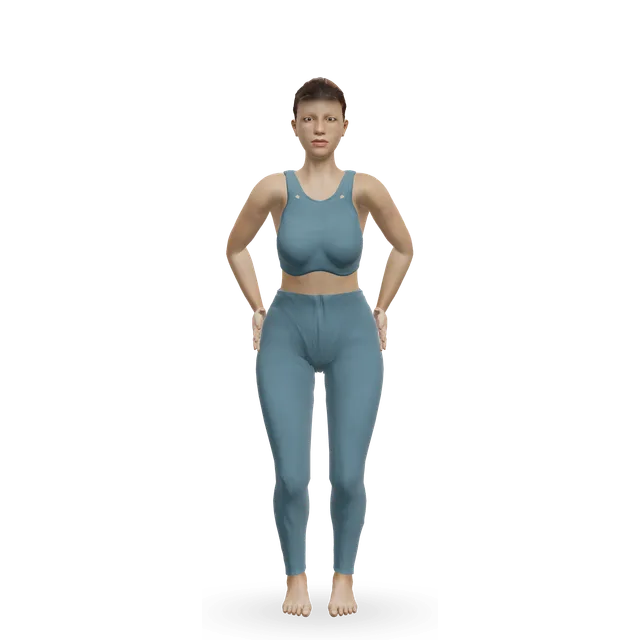 3D demoKnee circlesBeginner · No equipment
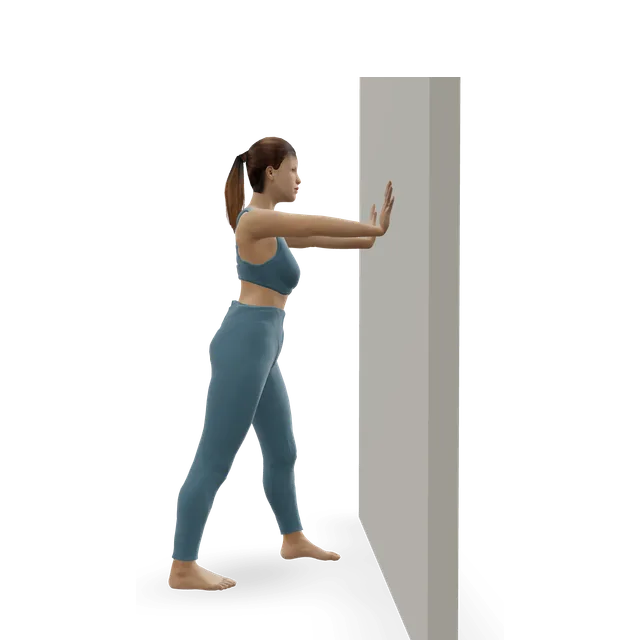 3D demoForearms-on-wall calf stretchBeginner · A wall
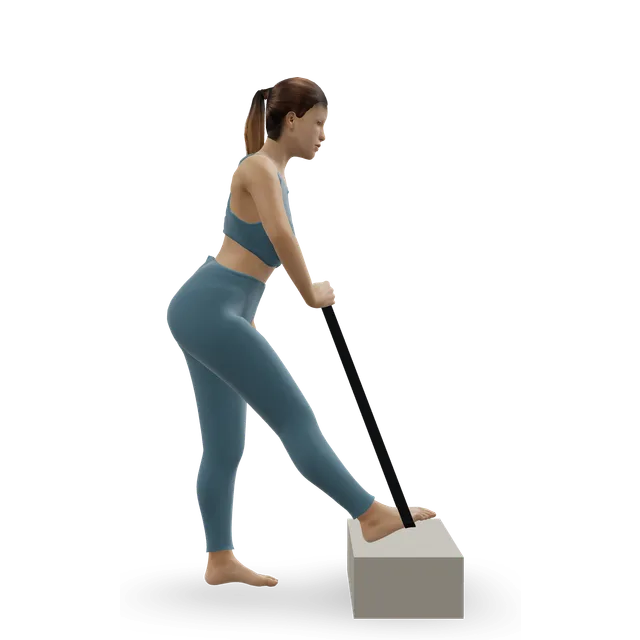 3D demoHeel-on-step calf and hamstring stretchBeginner · A step
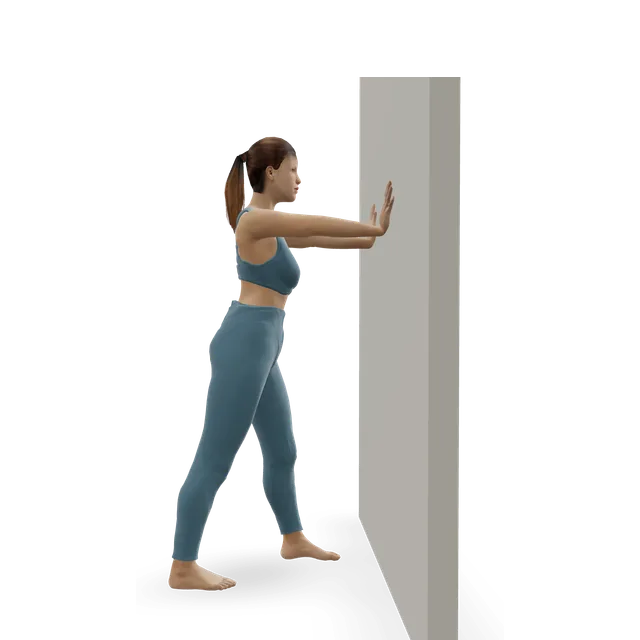 3D demoLeaning wall calf stretchBeginner · A wall
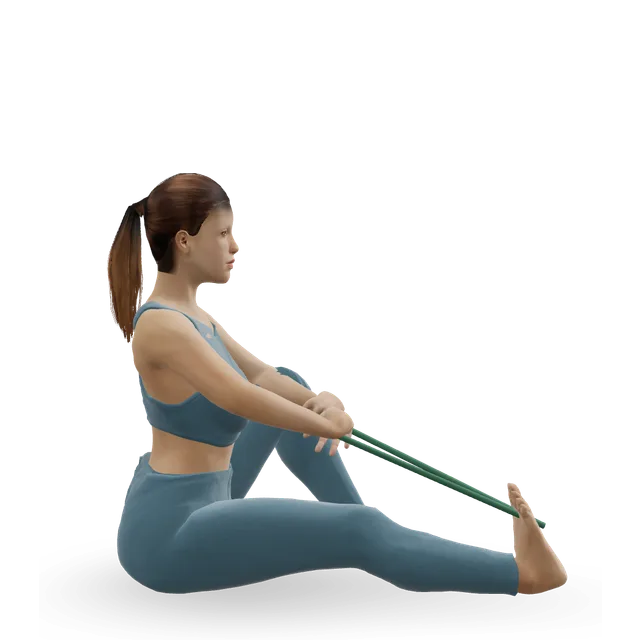 3D demoSeated calf stretch with a towelBeginner · Other / check instructions
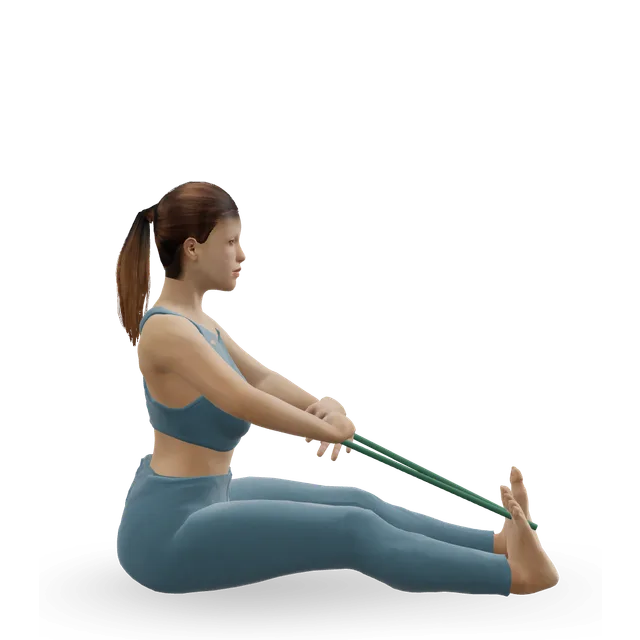 3D demoSeated peroneal stretch with a strapBeginner · Other / check instructions
Browse more
Questions people ask
What muscles does the Ankle circles work?
Mainly the calves, with help from the shins.
What equipment do I need for the Ankle circles?
No equipment: your body weight and a little floor space.
Is the Ankle circles good for beginners?
It is graded beginner, so it suits most people starting out. When it feels easy, try the Ankle CARs (controlled articular rotations).
How do I make the Ankle circles harder?
Progress to the Ankle CARs (controlled articular rotations). Follow that guide’s technique and any stated timing.