Stationary cycling
Pedalling a stationary bike at a steady pace, the saddle set so the knee stays slightly bent at the bottom: from light to vigorous effort depending on the resistance.
Stationary cycling family
Stationary cycling
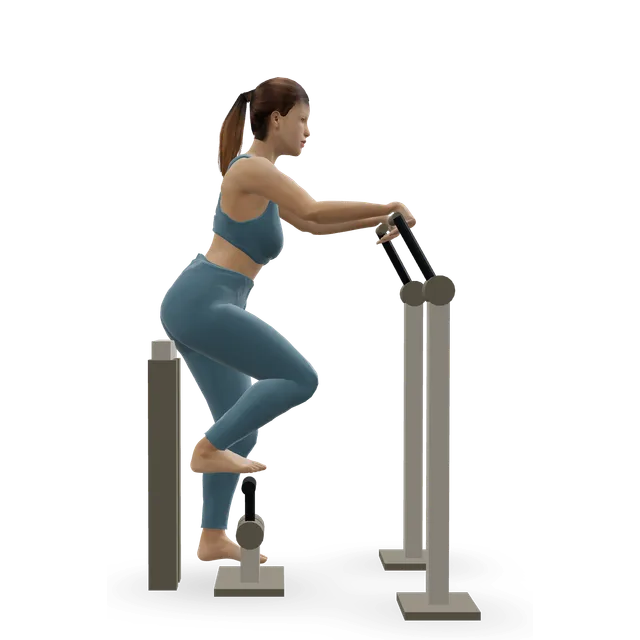
Loading the 3D figure…
Source-researched guide.
How to move
- Standing beside the bike, start with the saddle level with the top of your hip bone.
- Set the saddle so the knee stays slightly bent at the bottom of the stroke: with your heel on the pedal there, your leg should be almost straight (our suggested check).
- Pedal at a steady cadence with a light resistance to warm up.
- Raise the resistance to a pace you can keep.
Form cues
- Keep the knees in line with the feet.
- Sit tall rather than slumping on the bars.
Practice and cautions
No universal dose is assigned. Choose a manageable amount for your current capacity, leave room for controlled repetitions, and allow recovery. A clinician’s individual plan takes priority.
If the saddle makes the area between your legs numb, or you notice erection problems, stand up on the pedals for a few strokes every 10 minutes or so, set the handlebars level with or above the saddle, and try a different saddle or a recumbent bike; if it doesn't settle, see a GP (our suggestion). This is movement education, not an assessment or treatment prescription. Stop for sharp or increasing pain, dizziness, numbness or tingling; seek individual guidance for symptoms, injury or restrictions.
Sources and review status
Sources support the educational description; they do not establish that this exercise is suitable for you.
- Compendium of Physical Activities · Bicycling (stationary cycling from 4.0 METs at light effort to 16.3 at very vigorous) ↗
- US HHS · Physical Activity Guidelines for Americans, 2nd edition (brisk walking moderate; jogging, running, hiking with a heavy pack and HIIT vigorous) ↗
- Awad 2018 · Cycling and sexual and urinary function in 3,932 men (cross-sectional survey, Journal of Urology) ↗
- Litwinowicz 2021 · Ways to reduce saddle pressure on the perineum in healthy men: 22 studies (systematic review and meta-analysis, Sports Medicine) ↗
- Free Exercise DB · community text ↗
Unlicense · Free Exercise DB contributors; derived from wrkout/exercises.json. Text import; no photographs or media. · Revision f00c92c7dcf1216a928a52c3706c7ce8e2f71ed5
No variation is labeled clinically validated.
What it works
Muscles
Main: Quads. Also: Glutes, Hamstrings, Calves.
Anatomy: Sartorius, Quadriceps, Rectus femoris, Vastus medialis, Vastus lateralis.
Equipment
Cardio machine
Level
Beginner. See the easier and harder options above.
Workouts that use it
- Full-body gym workout A · 45 min
- Cardio intervals workout · 25 min
- Norwegian 4x4 interval workout · 40 min
- Weights then cardio: a steadier-glucose workout · 45 min
- Strength workout for cyclists (gym) · 50 min
- Migraine cycling workout · 45 min
- PoTS exercises: a lying and seated starter session · 30 min
- Strength workout for Down syndrome: a gym routine with a training buddy · 40 min
Show all 32 workoutsShow fewer workouts
- Full-body machine workout (gym) · 45 min
- Light exercise after a concussion: the stage 3 session · 20 min
- Full-body superset workout (gym) · 40 min
- Reps in reserve practice workout · 30 min
- Strength workout for triathletes: heavy legs, calves, pulling and trunk · 50 min
- Brick workout for beginners: easy bike, then an easy run · 50 min
- Exercise after rhabdomyolysis: a light session for the first weeks back · 30 min
- Bodybuilding upper-body workout: chest, back, shoulders and arms · 60 min
- Bodybuilding lower-body workout: quads, hamstrings, glutes and calves · 60 min
- Strength workout for mountain bikers: heavy trunk work, legs, pulling and grip · 50 min
- Mountain bike interval workout: 4-minute hill repeats from the trial · 70 min
- Strength workout for spin classes: legs, jumps for bone, back, neck and shoulders · 45 min
- First spin class ride: set-up, a long warm-up and short efforts at your own pace · 35 min
- Easy bike ride: 30 to 75 minutes at a pace you can talk at · 45 min
- Machine leg workout: leg press, leg extension, leg curl and calves · 45 min
- First gym workout: five machines and easy cardio · 45 min
- Posterior chain workout: good mornings, hip thrusts, back extensions and pull-throughs · 45 min
- Smith machine workout: squats, presses, rows and split squats on one machine · 50 min
- Cable machine workout: a full-body session on one cable station · 40 min
- Cardio machines for beginners: treadmill, cross-trainer, rower and bike · 40 min
- Cable chest workout: one cable station, four angles · 40 min
- Adductor workout (gym): the inner thigh machine, sumo squats, cable adduction and Copenhagen planks · 35 min
- Machine chest workout: chest press, incline press, pec deck and dip machine · 35 min
- Machine back workout: lat pulldowns, machine rows and rear-shoulder work · 40 min
Pain guides that use it
Part of a staged plan, with when to get help first.
- Neck pain: exercises that help, and when to get it checked
- Headaches from the neck (cervicogenic headache): exercises, and when to get checked
- Neck arthritis (cervical spondylosis): exercises, scans and warning signs
- Shoulder arthritis: exercises, honest evidence, and when to see a surgeon
- Lumbar spinal stenosis: exercises that ease leg pain when you walk
- Hip arthritis exercises: a staged plan that follows the guidelines
- Exercises for knee pain: what helps, and a plan to follow
- Runner's knee (patellofemoral pain): exercises that help
Show all 154 pain guidesShow fewer pain guides
- Exercises for knee arthritis (osteoarthritis)
- Meniscus tear exercises: when exercise is the first treatment
- Leg pain: exercises that help, and when to get it checked
- Sciatica exercises: what helps, nerve glides, and when to worry
- Shin splints exercises: settle, strengthen, return to running
- Achilles tendonitis exercises (Achilles tendinopathy)
- Calf pain: strain, cramp or clot, and the exercises that help
- Exercises after a knee replacement: a stage-by-stage recovery plan
- Exercises after a hip replacement, and what hip precautions mean
- ACL injury: rehab, surgery or not, and how to prevent it
- MCL sprain (inner knee ligament): recovery and exercises
- Osgood-Schlatter disease: knee pain in active children and teenagers
- Baker's cyst (a swelling behind the knee): what helps, and when it's urgent
- Foot pain: where it hurts, what helps, and when to get it checked
- Ankle arthritis and stiff ankles: what exercise can and cannot do
- Ball of foot pain (metatarsalgia): shoes, pads, insoles and exercises
- Big toe arthritis (hallux rigidus): exercises, shoes and when surgery helps
- Stress fractures of the foot, shin, thigh and hip: recovery and getting back to running
- Achilles tendon rupture: recovery with or without surgery
- Exercises after a broken ankle: a stage-by-stage recovery plan
- Dislocated kneecap: what to do, exercises, and stopping it happening again
- Quad strain (pulled thigh muscle): exercises from the first days to kicking
- Tension headaches: relief, prevention, and how they differ from neck headaches
- Sports hernia (inguinal-related groin pain): rehab, surgery and how it differs from a hernia
- Pes anserine bursitis: inner knee pain below the joint, and what helps
- PCL injury (posterior cruciate ligament): recovery, bracing and exercises
- Exertional compartment syndrome: leg pain that builds every time you run
- Morton's neuroma: shoes, pads, injections and what exercise can do
- Peroneal tendonitis exercises (peroneal tendinopathy): outer ankle tendon pain
- Sever's disease: heel pain in active children, and how to keep them playing
- Recovering from a broken hip (hip fracture): a guide for you and your family
- Exercises after a broken leg (tibia and fibula): the recovery stages and warning signs
- Lisfranc injury (midfoot sprain or fracture): diagnosis, treatment and recovery
- Exercises after back surgery: discectomy, decompression and fusion, stage by stage
- Exercises after meniscus surgery: recovery after a trim or a repair
- Recovery after bunion surgery: the post-op shoe, swelling and exercises
- Exercises after hip arthroscopy: recovery after impingement or labral surgery
- LCL sprain (outer knee ligament): recovery and exercises
- Knee bursitis (housemaid's knee): what helps, and when it's infected
- Plica syndrome: a painful fold in the knee, and what helps
- Torn kneecap tendons: patellar and quadriceps tendon ruptures, surgery and recovery
- Osteitis pubis (pubic bone pain): rehab, recovery time and how it differs from a sports hernia
- Tarsal tunnel syndrome: burning or tingling in the sole, and what helps
- Haglund's deformity: a painful bump at the back of the heel, and what helps
- Heel fat pad syndrome: a bruise-like pain in the centre of the heel
- Sesamoiditis: pain under the big toe joint, and how to offload it
- Turf toe: a sprained big toe joint, from first aid to return to play
- Little League elbow: inner elbow pain in young throwers, how long to rest, and the way back to throwing
- Little League shoulder: growth plate pain in young throwers, how long to rest, and getting back to throwing
- Elbow OCD (osteochondritis dissecans): outer elbow pain in young throwers and gymnasts, and Panner's disease
- Sinding-Larsen-Johansson syndrome: pain at the bottom of the kneecap in active children
- Pulled chest muscle or torn pec: how to tell, when it needs surgery, and the way back to pressing
- Hip pointer: a bruised hip bone, the teenage fractures that mimic it, and getting back to sport
- Quadriceps tendinopathy (quad tendonitis): pain above the kneecap, and a tendon loading plan
- Fat pad impingement (Hoffa's syndrome): pain below the kneecap when the knee straightens fully
- Knee OCD (osteochondritis dissecans): a damaged patch of bone and cartilage in children, teenagers and young adults
- Hyperextended knee: injuries when the knee bends backwards, and knees that bend back naturally
- Anterior ankle impingement (footballer's ankle): pain at the front of the ankle when you squat, lunge or climb
- Sinus tarsi syndrome: pain in the hollow on the outer ankle, the causes to rule out and what helps
- Cuboid syndrome: outer midfoot pain, what manipulation can and can't do, and how thin the evidence is
- Plantar plate tear: second toe pain, a toe that drifts or lifts, and what taping, shoes and surgery can do
- Accessory navicular syndrome: a painful extra bone on the inner side of the foot, in teenagers and adults
- Intersection syndrome: a creaking, painful forearm above the wrist in rowers, paddlers and skiers
- Perthes disease: when the ball of a child's hip loses its blood supply, and how it regrows
- Irritable hip (transient synovitis): a young child's sudden limp, and telling it from infection
- Iselin's disease: pain on the outer edge of the foot in active children, and keeping them playing
- Kienböck's disease: when a wrist bone loses its blood supply, and what helps
- Broken kneecap (patella fracture): brace or surgery, and the exercises that follow
- Tailor's bunion (bunionette): shoes, padding, what exercise can't change, and when surgery helps
- Plantar fibroma (Ledderhose disease): a lump in the arch, when to get it checked, and what helps
- Freiberg's disease: pain under the second toe joint, offloading, and getting back to sport and dance
- Köhler's disease (Kohler's disease): a young child's limp from the navicular, and how it settles
- Occipital neuralgia: shooting pain at the back of the head, nerve blocks, and what exercise can do
- Foot drop: when it's urgent, braces and stimulation, and exercises while the nerve recovers
- Toe walking in children: when it's normal, the signs to get checked, and what helps
- Tarsal coalition: a stiff, painful flat foot and ankles that keep spraining, and what helps
- Osteochondral lesion of the talus (talar dome lesion, ankle OCD): deep ankle pain after a sprain
- Exercises after neck surgery: recovery after ACDF or a disc replacement, stage by stage
- Exercises after shoulder stabilisation surgery: recovery after a Bankart repair or Latarjet
- Exercises after ankle ligament surgery: recovery after a Broström repair or reconstruction
- Exercises after knee cartilage surgery: microfracture, cell transplants (ACI) and grafts
- Knee pain when squatting: what's likely, what to change today and how to build back to depth
- ACL surgery recovery: the stages back to running, jumping and sport, and the return-to-sport tests
- Knee pain when running: what's likely, what to change in your running today and how to build back
- Hip pain when running: what's likely, the stress fracture not to miss, and how to build back
- Foot pain when running: heel, arch, top or ball of the foot, stress fractures to rule out, and shoes
- Knee pain when cycling: where it hurts, what to change on the bike today and how to build back
- Lower back pain when cycling: reach, saddle and bars, back and hip strength, and how to build back
- Neck pain when cycling: position, reach, looking up from a low position, and exercises that help
- Numb hands when cycling: which nerve, what to change on the bike today, and when to get it checked
- Ankle pain when running: where it hurts, the stress fractures to rule out, and how to build back
- Calf pain when running: a strain, a cramp, the Achilles or a clot, and how to build back
- Hamstring pain when running: strain, sitting-bone tendon or back, and the way back to speed
- Groin pain when running: what's likely, the hip stress fracture not to miss, and how to build back
- Hip pain when cycling: groin, outer hip or buttock, what to change on the bike and how to build back
- Numb, burning or painful feet when cycling: shoes, cleats, insoles and when to get it checked
- Upper back and shoulder pain when cycling: reach, bar height, the shoulder blades and what helps
- Knee pain when kneeling: the kneecap, bursitis, knee replacements, knee pads and how to build back
- Knee pain when bending or straightening: the kneecap, the meniscus, behind the knee and what helps
- Lower back pain when walking: ordinary back pain, spinal stenosis, the arteries and what helps
- Calf pain when walking: a strain, cramp, narrowed arteries, a clot or the back, and what helps
- Inner knee pain: arthritis, the meniscus, an MCL sprain, pes anserine pain and how to build back
- Outer knee pain: the IT band, the outer ligament, the meniscus, the nerve and how to build back
- Pain behind the knee: a Baker's cyst, a tendon, the meniscus or a clot, and how to build back
- Pain on top of the foot: tight laces and tendons, a stress fracture, the midfoot, gout and nerves
- Heel pain: under the heel, at the back, heel spurs, a stress fracture, nerves and children
- Groin pain: a strain, a hernia, the hip joint, the testicles and the other causes to know
- Pain on the outer side of the foot: the tendons, a fifth metatarsal break, cuboid and old sprains
- Shin pain: shin splints, a stress fracture, compartment syndrome and the muscles at the front
- Thigh pain: a strain or dead leg, the hip and back, a burning nerve, a clot and how to build back
- Inner thigh pain: a groin strain, the hip joint, a hernia, a trapped nerve, pregnancy and a clot
- Big toe pain: arthritis, a bunion, gout, turf toe, the sesamoids, an ingrown toenail or a break
- Front of knee pain: the kneecap, the tendons, growing knees or arthritis, and how to build back
- Knee pain when sitting or standing up: the kneecap, arthritis, the back of the knee and what helps
- Lower leg pain: the shin, the calf, the Achilles, nerves, circulation or a clot, and what helps
- Knee pain in children and teens: growing pains, Osgood-Schlatter, the kneecap, injuries and the hip
- Hip pain in children: irritable hip, infection, Perthes, a slipped growth plate and when to get help
- Back of heel pain: the Achilles where it meets the bone, a bump, bursitis, Sever's and what helps
- Knee pain in women: kneecap pain, ACL injuries, arthritis, the menopause, loose joints and pregnancy
- Back pain in children and teenagers: muscles, sport, school bags, warning signs and staying active
- Knee pain after a workout or leg day: soreness or an injury, the moves behind it, and training again
- Foot pain in children: heel pain, flat feet, growing feet and shoes, sport and the signs to check
- Back pain in older adults: stenosis, spinal fractures from thin bones, what helps and warning signs
- Elbow pain in children and teens: a pulled elbow, falls, the throwing elbow, and when it's urgent
- Hip pain in men: impingement when young, arthritis later, the back, a hernia and the signs to check
- Knee pain in men: twisting injuries in sport, the tendons, kneeling work, gout and arthritis
- Groin pain in men: strains, hernias, the hip, the testicles and prostate, and the signs to act on
- Knee pain in pregnancy: the kneecap, weight and looser joints, swelling, exercise by trimester
- Groin pain in women: the hip, inner thigh strains, hernias, the pubic bone, gynae and urinary causes
- Foot pain in men: heel pain, gout, the Achilles, stress fractures, work boots and sport
- Heel pain in women: plantar fasciitis, the Achilles, shoes and heels, pregnancy and stress fractures
- Knee pain when twisting: the meniscus, the ligaments, the kneecap, arthritis and what helps
- Ankle pain going down stairs: the front of the ankle, the Achilles, arthritis and old sprains
- Groin pain when doing squats: the inner thigh, the hip crease, a hernia, stance and depth
- Headaches when lifting weights: straining and breath holding, the neck, heat, and the signs to check
- Knee pain on the leg curl: the back of the knee, the hamstring tendons, cramp, the pad and swaps
- Groin pain when doing lunges: the inner thigh, side and long lunges, the back hip and a hernia
- Groin pain when doing sit-ups: hooked feet, the inner thigh, the lower tummy, hernias and swaps
- Hip pain on the elliptical: the hip flexors, the outer hip, the groin, foot position and what helps
- Shin pain on the treadmill: shin splints, a stress fracture, incline, stride and what helps
- Foot pain on the treadmill: the heel and arch, the ball of the foot, numb toes, shoes and what helps
- Hip pain on the treadmill: incline, stride, the hip flexors, the outer hip and what helps
- Calf pain on the treadmill: incline, a strain, cramp, the Achilles, poor blood flow and what helps
- Shin pain when hiking: shin splints, stress fractures, descents, boots and laces, and what helps
- Knee pain when driving: the kneecap, the pedals, the back of the knee and driving after surgery
- Hip and groin pain after football (soccer): groin strains, sports hernia, impingement and help
Guides that use it
- Pilates for spinal stenosis guide
- Pilates for PCOS guide
- Pilates for headaches guide
- Yoga for spinal stenosis guide
- Knee joint guide
- Lipoedema guide
- Exercise for older adults
- Exercise in pregnancy
Show all 164 guidesShow fewer guides
- Exercise after giving birth
- Exercise for menopause and perimenopause
- Exercise for high blood pressure
- Exercise for weight loss
- Exercise for type 2 diabetes
- Exercise for depression
- Exercise for anxiety and panic attacks
- Strength training for women
- Exercise and your menstrual cycle
- Pelvic floor exercises (Kegels) for women and men
- Exercise for PCOS (now called PMOS)
- Exercise for men
- Exercise and testosterone
- Exercise for arthritis
- Exercise for rheumatoid arthritis
- Exercise for fibromyalgia
- Exercise with heart disease
- Exercise for COPD
- Exercise with asthma
- Exercise with type 1 diabetes
- Exercise during and after cancer treatment
- Exercise for Parkinson's
- Exercise with MS
- Exercises after a stroke
- Exercise and dementia
- Exercise for hypermobility
- Exercises for ankylosing spondylitis
- Exercise for kidney disease
- Exercise for peripheral arterial disease
- Exercise for sleep and insomnia
- Exercise for migraine
- Exercise for ADHD
- Exercise for high cholesterol
- Exercise for fatty liver disease (MASLD)
- Exercise with long COVID
- Exercises for lymphoedema (lymphedema)
- Exercise for erectile dysfunction
- Exercise for PoTS
- Exercise for lipoedema (lipedema)
- Exercise for an underactive thyroid (hypothyroidism)
- Exercise with gout
- Exercise for endometriosis
- Exercises for peripheral neuropathy
- Exercises for restless legs
- Exercise for IBS
- Exercise with Crohn's and colitis (IBD)
- Exercise for lupus
- Exercise with cerebral palsy
- Exercise for autistic children and adults
- Exercise for Down syndrome
- Exercise and epilepsy
- Exercise after a concussion
- Exercise with a hernia and after hernia surgery
- Exercise after a hysterectomy
- Exercise for stress relief
- Exercise for PTSD
- Exercise for bipolar disorder
- Rhabdomyolysis (rhabdo) and exercise
- Exercise with sickle cell disease, and sickle cell trait in sport
- Exercise for chronic pain
- Exercise with HIV
- Exercise with cystic fibrosis
- Exercise with heart failure
- Exercise with atrial fibrillation (AF)
- Exercise for psoriatic arthritis
- Exercise with anaemia (anemia) and iron deficiency
- Exercise with prostate cancer
- Exercise with a stoma
- Exercise after a blood clot (DVT or PE)
- Exercises for varicose veins
- Exercise with an abdominal aortic aneurysm
- Exercise with motor neurone disease (MND, ALS)
- Exercise with muscular dystrophy
- Exercise with myasthenia gravis
- Exercise with Raynaud's
- Exercise when trying to conceive
- Exercise with fibroids
- Exercise with an overactive thyroid (hyperthyroidism)
- Exercise with bronchiectasis
- Exercise with pulmonary fibrosis and ILD
- Exercise with pulmonary hypertension
- Exercise after weight-loss surgery
- Exercise after heart surgery
- Exercise after a caesarean (C-section)
- Exercise for psychosis and schizophrenia
- Exercise for OCD
- Exercise in recovery from alcohol or drugs
- Exercise with bowel cancer
- Exercise with lung cancer
- Exercise with blood cancer
- Exercise with hypertrophic cardiomyopathy (HCM)
- Exercise after myocarditis or pericarditis
- Exercise with glaucoma
- Exercise after cataract surgery
- Exercise with diabetic retinopathy
- Exercise after an organ transplant
- Exercise after a brain injury
- Exercise with haemophilia (hemophilia)
- Exercise with gestational diabetes
- Exercise for prediabetes
- Exercise and sleep apnoea
- Exercise with a prolapse
- Bell's palsy exercises
- Exercise with acid reflux and heartburn
- Exercise for constipation
- Exercise with diverticular disease and diverticulitis
- Exercising when you're ill
- Exercise after gallbladder removal
- Exercise after appendix removal (appendectomy)
- Exercise with piles (haemorrhoids)
- Exercise while breastfeeding
- Exercise during IVF and egg freezing
- Exercise with an enlarged prostate (BPH)
- Exercise after a vasectomy
- Zone 2 cardio guide
- HIIT guide
- VO2 max guide
- Warming up guide
- Muscle soreness guide
- Rest days guide
- Circuit training guide
- Tabata guide
- Deload week guide
- Cardio and weights guide
- Cooling down guide
- How to lose belly fat guide
- How to lose arm fat guide
- How to lose thigh fat guide
- How to lose face fat guide
- How to increase stamina guide
- Gym for beginners guide
- Exercise bike guide
- Air bike guide
- How to lose back fat guide
- How to lose chest fat guide
- How to lose love handles guide
- Calf fat guide
- Body recomposition guide
- How to get a smaller waist guide
- Getting back into working out guide
- Hip fat guide
- Toned legs guide
- Knee mobility guide
- Running longer guide
- Recovering faster guide
- Resting heart rate guide
- Lung capacity guide
- Circulation guide
- Running in the heat guide
- 6-minute walk test guide
- Resting heart rate guide
- 3-minute step test guide
- Cycling guide
- Triathlon guide
- Mountain biking guide
- Spin classes guide
Similar moves
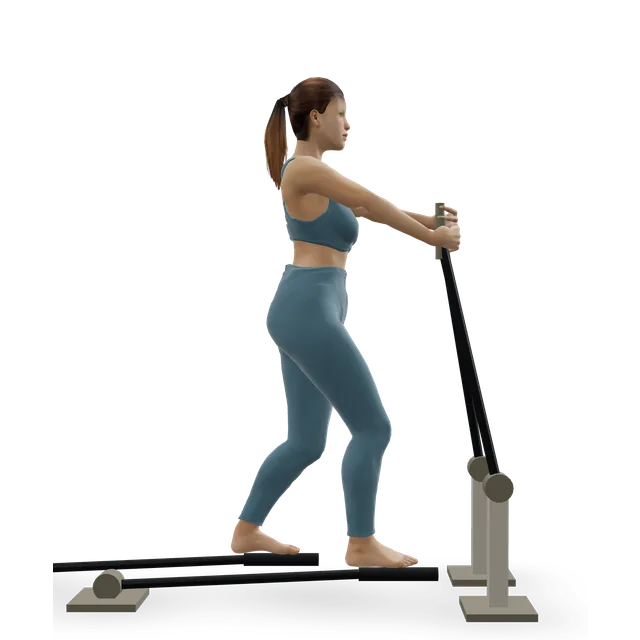 3D demoElliptical trainerBeginner · Cardio machine
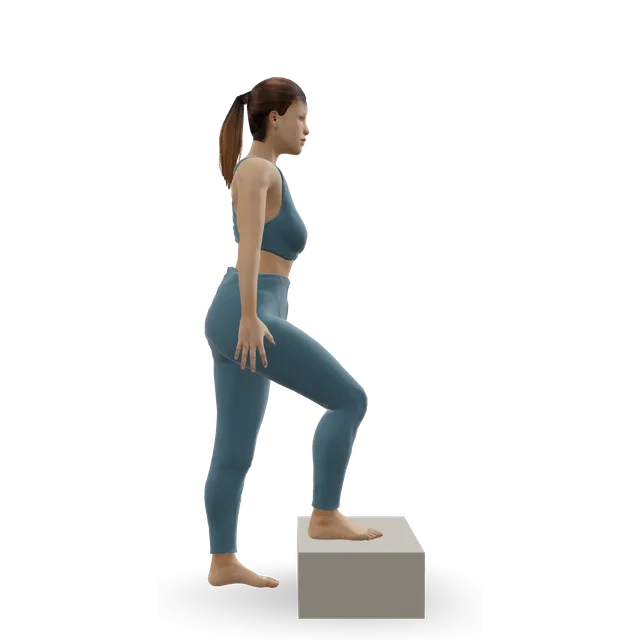 3D demoStep mill (revolving stair machine)Intermediate · Cardio machine
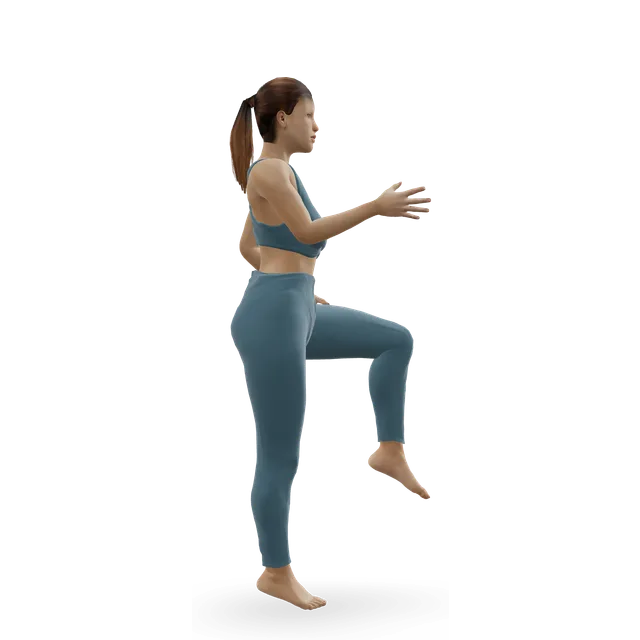 3D demoTrail running and walkingBeginner · No equipment
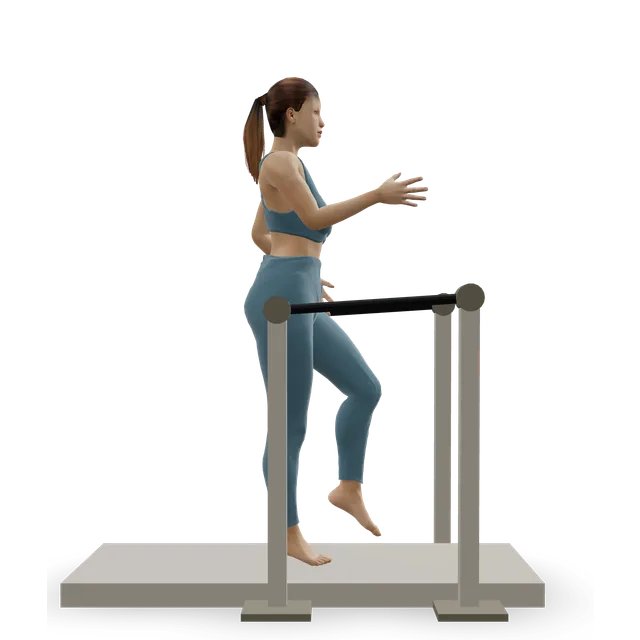 3D demoTreadmill joggingIntermediate · Cardio machine
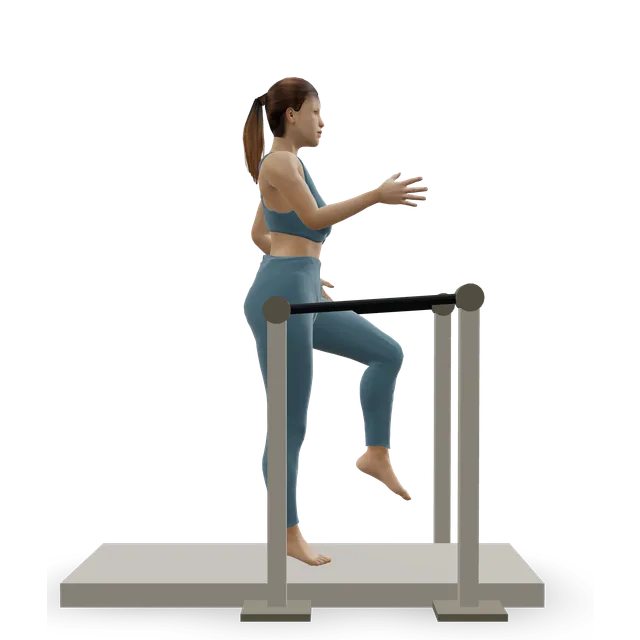 3D demoTreadmill runningIntermediate · Cardio machine
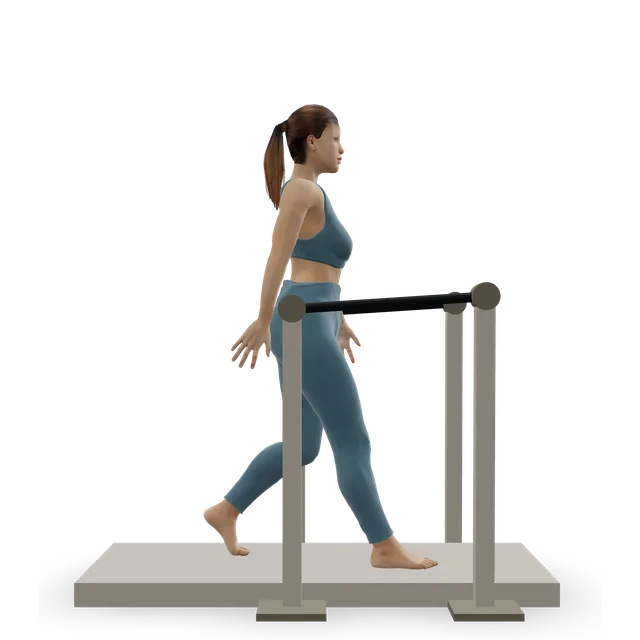 3D demoTreadmill walkingBeginner · Cardio machine
Browse more
Questions people ask
What muscles does the Stationary cycling work?
Mainly the quads, with help from the glutes, hamstrings and calves.
What equipment do I need for the Stationary cycling?
Cardio machine.
Is the Stationary cycling good for beginners?
It is graded beginner, so it suits most people starting out. When it feels easy, try the Air bike intervals.
What is an easier alternative to the Stationary cycling?
Try the Recumbent exercise bike. It is the suggested step down from this move.
How do I make the Stationary cycling harder?
Progress to the Air bike intervals or the Stair-stepper machine. Follow that guide’s technique and any stated timing.